Why Ultherapy May Be Medically Required: Exploring the Reasons for a Non Surgical Lift
Ultherapy is obtaining focus as a feasible choice for individuals encountering skin laxity because of aging or specific clinical conditions. This non-surgical treatment boosts collagen production, offering a remedy that prevents the recovery time connected with intrusive procedures. As individuals look for to improve not just their appearance yet likewise their overall skin wellness, comprehending the circumstances that necessitate Ultherapy's use comes to be vital. What factors add to its clinical requirement?
Recognizing Ultherapy: What It Is and Exactly how It Works
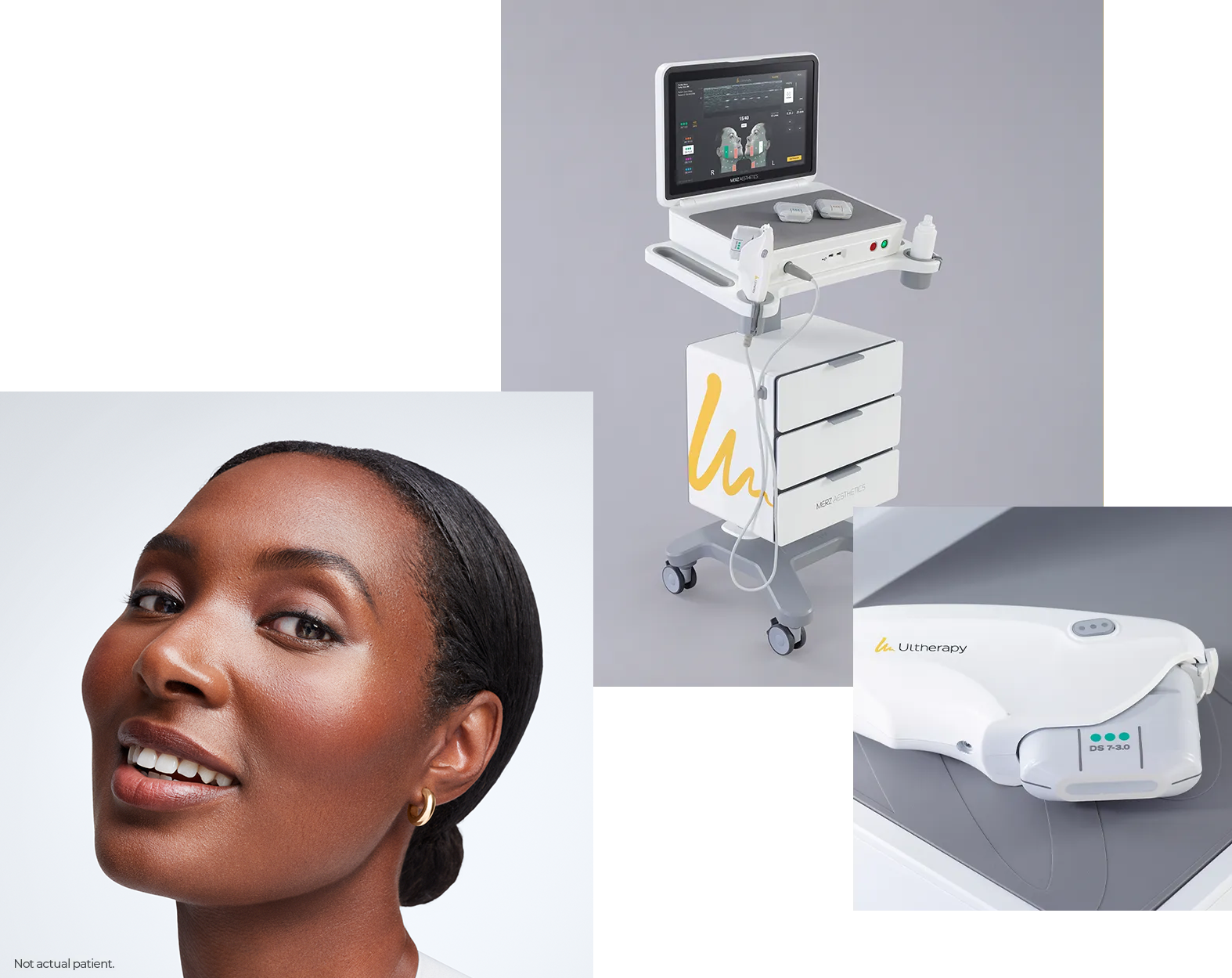
Ultherapy, a non-invasive cosmetic procedure, uses ultrasound modern technology to stimulate collagen production and advertise skin firm. By providing focused ultrasound energy deep right into the skin, it targets the foundational layers typically resolved in surgical renovations. This procedure encourages the body's natural recovery response, resulting in gradual lifting and tightening of the skin with time.
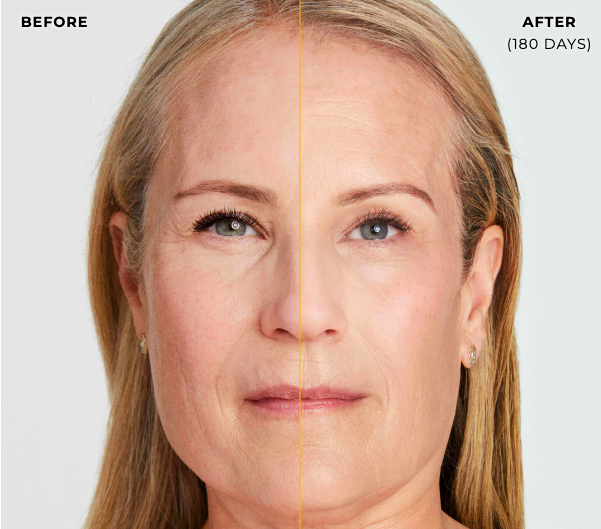
Therapy sessions typically last in between 30 to 90 mins, depending on the dimension of the location being treated. While results might not be right away noticeable, perfect impacts usually appear within 2 to 3 months as collagen continues to establish. Ultherapy deals an engaging non-surgical option for individuals looking for skin restoration without the need for invasive procedures.
The Aging Process: Impacts on Skin Flexibility and Collagen
Aging inevitably brings modifications that lessen skin flexibility and collagen production, resulting in visible indications of drooping and creases. As people age, the skin's ability to keep wetness reductions, causing a drier and much less resistant surface area. Collagen, an important protein accountable for skin structure, likewise reduces, creating the skin to shed its suppleness and vibrant look. Variables such as sunlight direct exposure, ecological toxins, and way of living choices further accelerate this decrease in skin top quality.
This loss of flexibility and collagen develops a waterfall of modifications, including the formation of jowls, growing nasolabial folds up, and a total drooping appearance. The skin's support system weakens, making it more susceptible to the effects of gravity. Numerous people look for interventions like Ultherapy to battle these aging impacts, aiming to recover a much more youthful, tight appearance without the need for intrusive surgical treatments.
Medical Problems That May Benefit From Ultherapy
Ultherapy is increasingly acknowledged for its possible benefits in dealing with numerous medical conditions. People experiencing skin laxity, those in post-surgical recuperation, and clients with persistent skin problem may find this non-invasive treatment advantageous. By promoting collagen production, Ultherapy can boost skin firmness and enhance total look for these teams.
Skin Laxity Problems
Skin laxity can be a substantial issue for individuals experiencing numerous clinical problems that affect the integrity and elasticity of their skin. Conditions such as Ehlers-Danlos disorder, which interferes with collagen manufacturing, can lead to premature skin aging and sagging. Furthermore, individuals with autoimmune problems may experience skin adjustments that add to laxity. Hormone variations, particularly during menopause, also play a role in decreasing skin suppleness. Ultherapy, utilizing ultrasound technology, targets the much deeper layers of skin, stimulating collagen production and tightening the impacted areas. This non-invasive treatment may offer a viable solution for those seeking to address skin laxity arising from these clinical problems, improving both appearance and self-esteem without the demand for medical treatment.
Post-Surgical Healing Aid
Post-surgical recovery can often existing obstacles, especially for individuals experiencing skin laxity as a result of medical interventions. Ultherapy serves as a potential help in this circumstance, utilizing ultrasound modern technology to boost collagen production and improve skin rigidity without invasive procedures. People who have undertaken surgical treatments such as facelifts, liposuction, or other body contouring procedures might find that Ultherapy boosts their healing by addressing irregular structure and laxity that can take place post-operation. This non-surgical technique can result in boosted aesthetic end results, potentially lowering the requirement for added surgical treatments. It might help relieve wikipedia reference discomfort linked with the healing process, offering people a more all-inclusive recuperation experience. Consequently, Ultherapy can be a beneficial option in post-surgical care.
Chronic Skin Problems
For people dealing with chronic skin problem such as acne marks, rosacea, or laxity due to aging, non-invasive therapies may provide substantial alleviation and improvement. Ultherapy has emerged as an appealing alternative, making use of ultrasound technology to promote collagen manufacturing deep within the skin. This procedure can boost skin appearance and flexibility, addressing issues like uneven complexion and drooping. In certain, those with rosacea might experience lowered soreness and swelling, while people with acne marks can take advantage of enhanced skin smoothness and general look. Significantly, Ultherapy provides a non-surgical choice that lessens healing time and risks linked with invasive treatments, making it an appealing choice for people looking for effective monitoring of persistent skin disease.
Mental Effect of Sagging Skin and Visual Problems
The psychological toll of aging typically manifests in the form of drooping skin, which can substantially influence an individual's self-esteem and overall emotional wellness. Lots of people link younger appearances with power and appearance, bring about feelings of insufficiency when faced with noticeable indications of aging. This perceived decline in beauty can lead to social anxiety, withdrawal from social communications, and a boosted preoccupation with one's look.
Individuals might feel compelled to look for aesthetic therapies to combat these problems, as the wish to maintain a vibrant appearance can come to be intertwined with individuality. The emotional effects of drooping skin might likewise lead to anxiety or a diminished top quality of life. Non-surgical choices like Ultherapy arise as potential services, intending not just to rejuvenate the skin but likewise to recover self-confidence and a positive self-image, eventually attending to the much deeper psychological ramifications of aging.
Comparing Ultherapy to Conventional Surgical Options
When contrasting Ultherapy to typical medical options, significant differences emerge in both cost-effectiveness and healing time. Ultherapy offers a non-invasive technique that often results in lower expenses and minimal downtime for clients. In contrast, surgical lifts normally call for even more monetary investment and an extensive recuperation duration.
Cost-Effectiveness of Ultherapy

Typical medical lifts commonly come with considerable upfront prices and expanded healing times, Ultherapy presents an engaging option that can deliver equivalent results at a fraction of the rate. The typical cost of a medical facelift can vary from $7,000 to $15,000, while Ultherapy treatments normally fall in between $2,000 and $4,500, depending upon the location treated and service provider proficiency. In addition, the lack of extensive pre-operative evaluations and post-operative care connected with Ultherapy even more adds to its cost-effectiveness. This method not just reduces economic strain yet also enables patients to buy various other elements of their health and health. In this way, Ultherapy arises as a financially feasible option for those seeking face rejuvenation without the concerns of typical surgery.
Healing Time Contrast
Recovery time is a considerable consider the decision-making process for those thinking about cosmetic treatments. Ultherapy stands out as a non-surgical choice that commonly requires minimal downtime. A lot of people can go back to their daily activities practically quickly, experiencing just mild inflammation or swelling that generally resolves within a couple of hours. On the other hand, traditional surgical options, such as facelifts, commonly demand an extensive recuperation duration. People might encounter numerous weeks of swelling, wounding, and limited task, with some going back to typical routines taking up to three months. This stark difference in recovery time makes Ultherapy an enticing selection for people looking for efficient results without the comprehensive aftercare associated with surgical treatment, enabling a smoother adjustment back to everyday life.
The Long-Term Benefits of Non-Invasive Treatments for Skin Wellness
As people progressively seek choices to surgeries, the long-term advantages of non-invasive therapies for skin health and wellness end up being much more apparent. Therapies such as Ultherapy, chemical peels, and laser therapy offer substantial benefits without the need for considerable recuperation times related to surgery. Non surgical facelift Malaysia. Gradually, these non-invasive options can advertise collagen production, leading to stronger skin and a more vibrant appearance
In addition, routine non-invasive therapies can enhance skin appearance, tone, and elasticity, boosting overall skin wellness. Clients often experience fewer complications and negative effects, making these treatments much more enticing.
The collective effects of constant therapies can maintain and prolong aesthetic enhancements, permitting individuals to maintain their preferred appearance with minimal downtime. By prioritizing non-invasive techniques, people useful site can attain lasting results while prioritizing their health and wellness and health. Inevitably, the long-term benefits of such methods highlight their expanding appeal in modern-day skin care.
Regularly Asked Questions
Just how Long Does an Ultherapy Session Commonly Take?
An Ultherapy session usually lasts in between 30 to 90 minutes, depending upon the therapy location. Elements such as the person's specific requirements and the level of the treatment can influence the general period.
Exist Any Kind Of Adverse Effects Connected With Ultherapy?
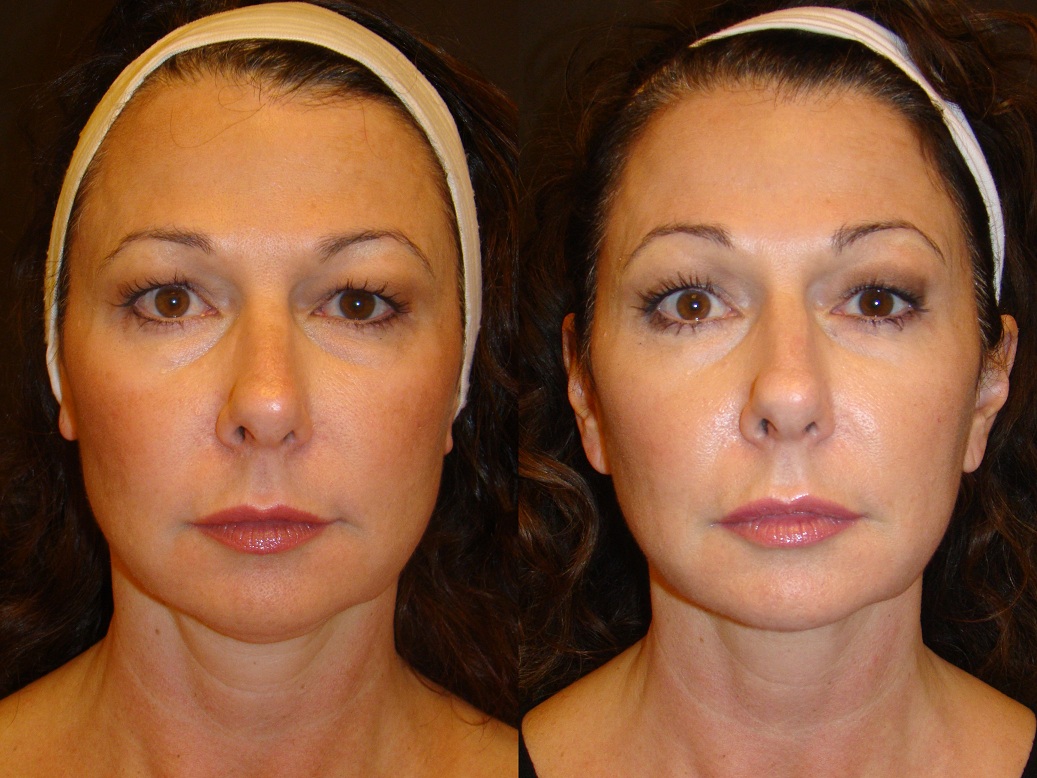
Ultherapy can cause side impacts such as temporary soreness, swelling, or tenderness in the treated visit this website location - Non surgical facelift Malaysia. While most people experience minimal pain, it is critical to speak with a professional for individualized advice and potential responses
Just How Soon Can I See Outcomes After Therapy?
Results from Ultherapy commonly begin to appear within 2 to 3 months post-treatment. The full impacts might proceed to develop over six months as collagen manufacturing rises, leading to obvious training and firm of the skin.
Is Ultherapy Suitable for All Skin Types?
Ultherapy is typically ideal for numerous skin kinds, including lighter and darker tones. However, private skin problems and problems might affect its effectiveness, making assessments with a certified expert crucial for customized recommendations.
Exactly How Typically Should Ultherapy Treatments Be Duplicated?
Ultherapy treatments are usually suggested every 6 to year, depending upon individual skin condition and desired outcomes. Normal evaluations by a qualified specialist can help determine the most effective regularity for maintenance and performance.
Comments on “Density RF Malaysia: Modern Lifting Solution”